Блог
Five Common Causes of Coupling Failure
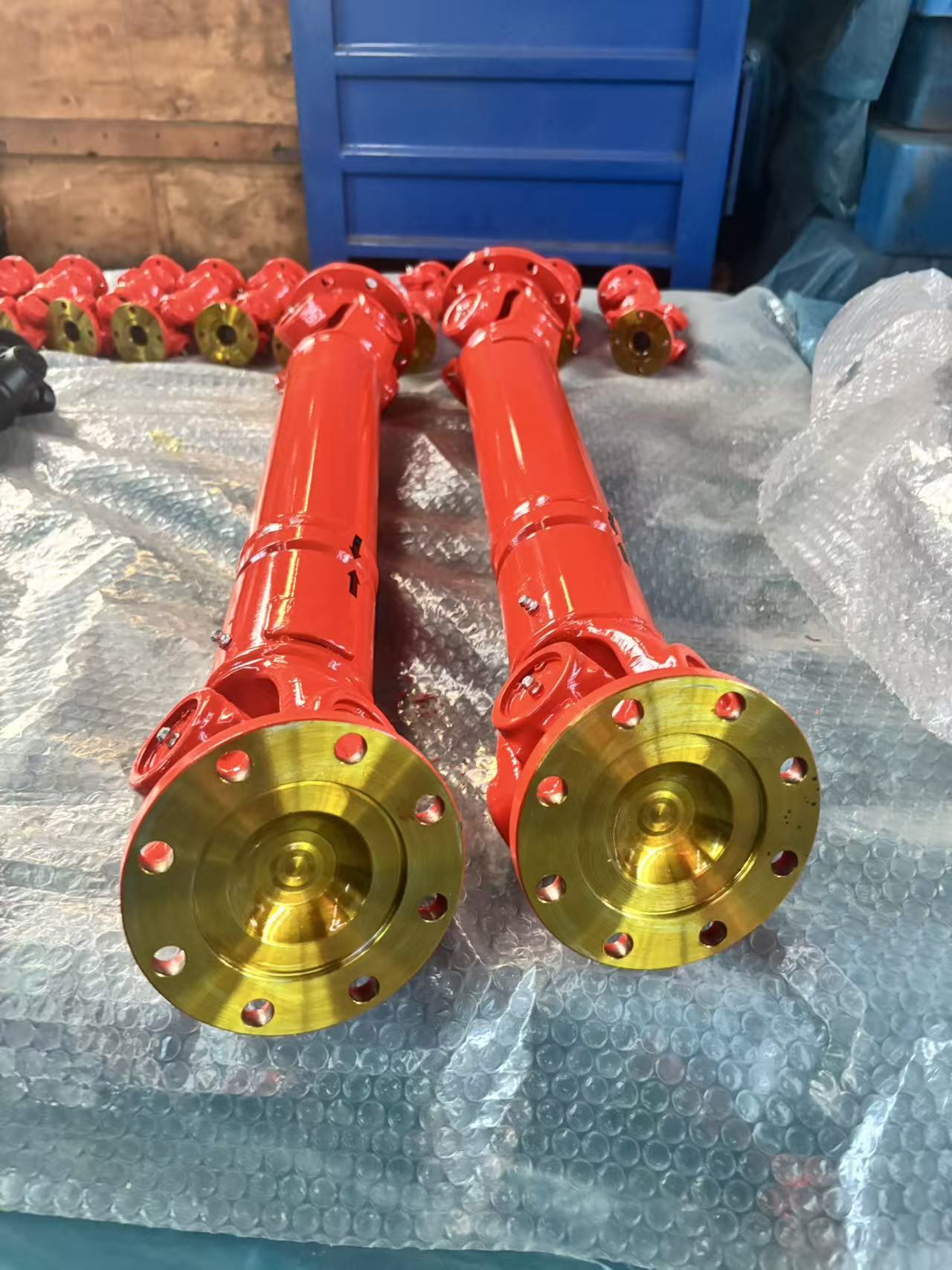
Key takeaways
- Specification beats price on heavy-duty drives
- Inspection records are the minimum standard
- Service factor protects against shock loads
When a coupling fails it is usually a symptom of a machine problem, not a defective coupling. These are the five causes we see most often.
1. Misalignment
The most common cause. Even a flexible coupling has limits; excessive radial or angular offset leads to rapid wear and fatigue.
2. Over-torque
An undersized coupling or a jam in the driven machine puts the coupling above its rated torque and it shears or deforms.
3. Lubrication failure
Gear couplings and universal joints rely on lubrication. Dry running destroys teeth and bearings quickly.
4. Corrosion
Moisture or chemical exposure corrodes the teeth, changes the fit and accelerates wear.
5. Wrong selection
A coupling chosen on price rather than duty cycle will fail early. Service factor matters more than list price.
If you are repeatedly replacing the same coupling, the fix is usually inspection and realignment of the drive train — talk to us about a properly specified replacement.
Engineering support
Need technical help with a part?
Our engineers can advise on material selection, tolerances and lead times for your specific application.
Связаться